
Dental Implants Watauga
Restore Your Lost Teeth in a Way That Lasts
Implant dentistry is a revolutionary solution for tooth loss that can help make your smile whole again. On top of making you feel self-conscious, tooth loss can leave you vulnerable to several oral health issues, such as:
- You have a harder time biting and chewing
- You face a heightened risk of losing more teeth
- You become vulnerable to jawbone density loss if your missing teeth are not replaced
Dental implants not only enhance your oral health and functionality but also boost your self-esteem by giving you a natural-looking, confident smile. Dr. Bryan Carmichael provides high-quality dental implants here at our dental office in Watauga, TX, as part of our restorative dentistry services.
Why Choose Watauga Dental Center for Dental Implants?
Dentist with Over 15 Years of Experience
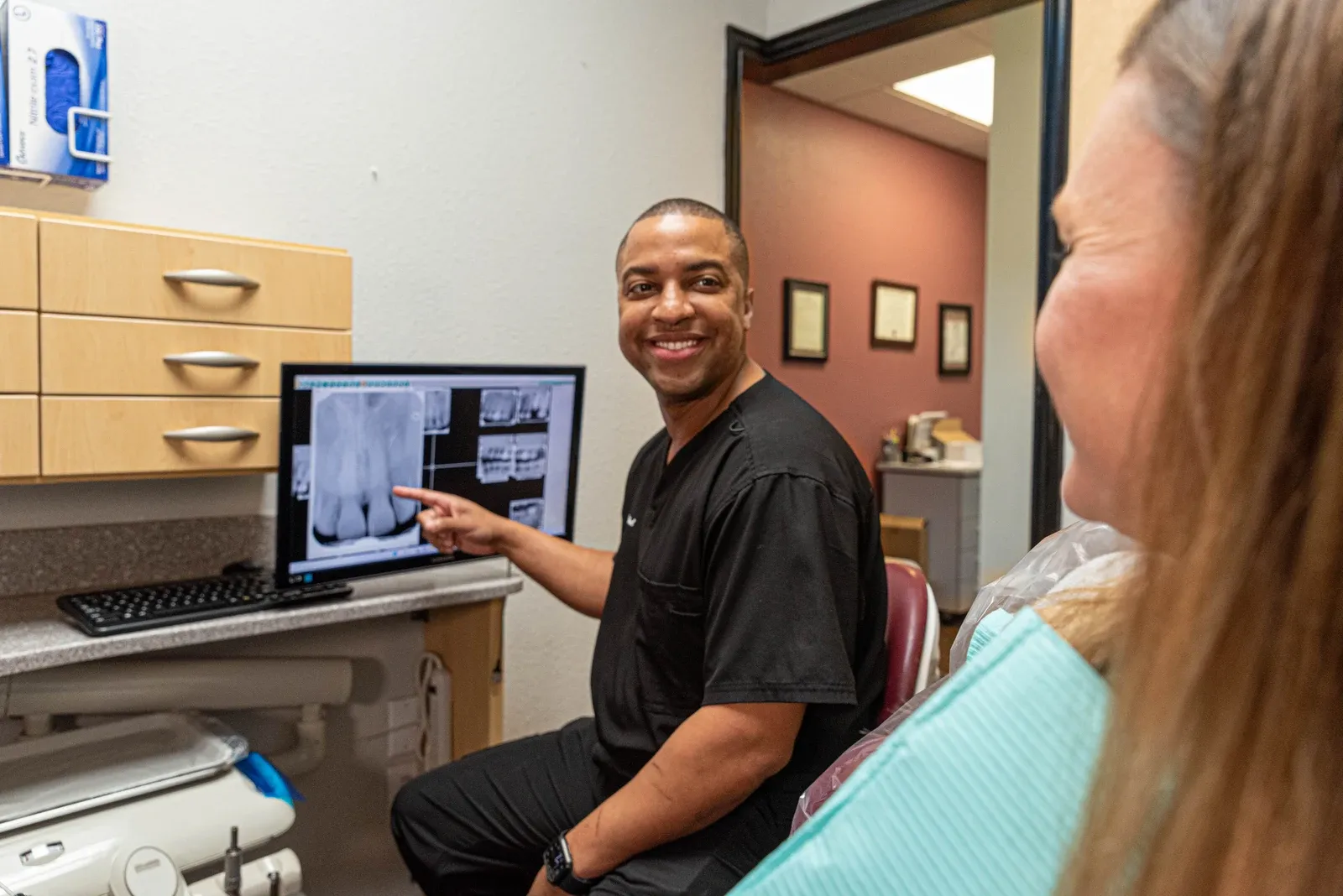
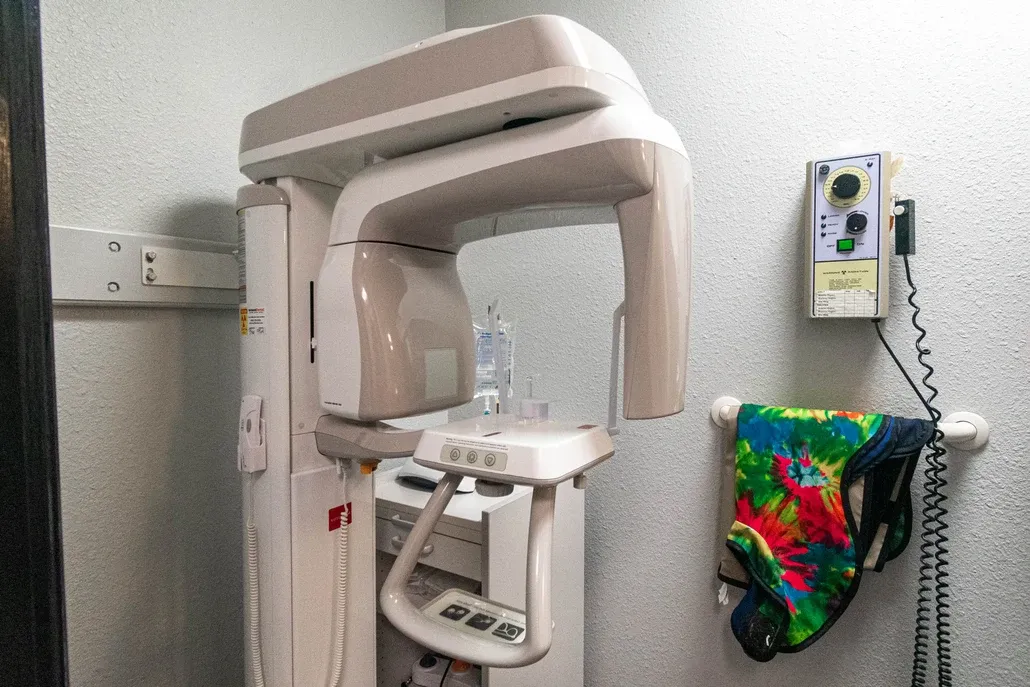
Advanced Digital Diagnostic Imaging
Feel Welcome & At-Home at Our Practice
What are Dental Implants?
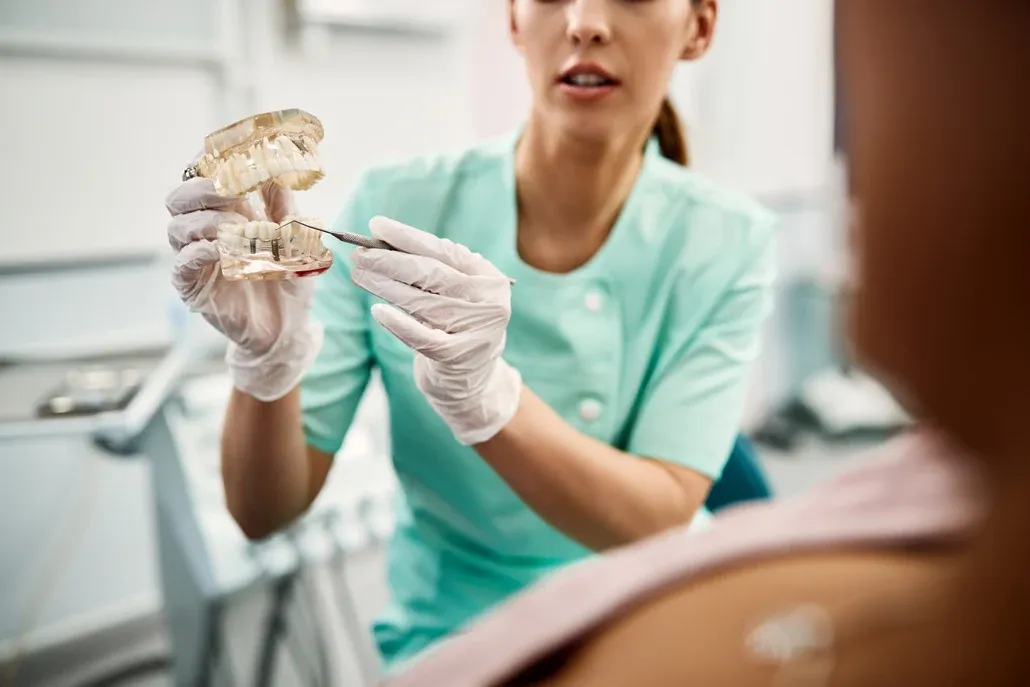
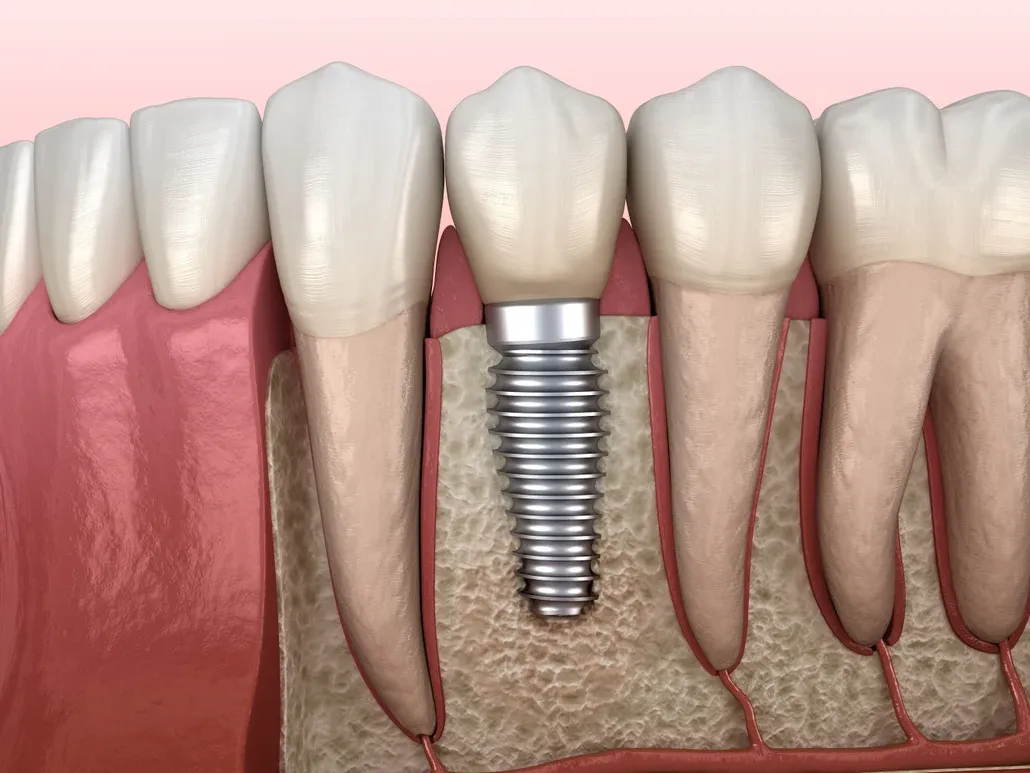
Dental implants are small, titanium posts that are surgically implanted within your jawbone, beneath the gumline. They’re designed to restore the missing roots of your tooth, and due to their biocompatible nature, they’re able to naturally fuse with the bone through a process called osseointegration. This allows for an unfaltering foundation for any type of replacement tooth to be attached to.

The Benefits of Dental Implants
- Stability: They provide a sturdy foundation for replacement teeth, such as crowns or bridges, by integrating with your jawbone through a process called osseointegration.
- Longevity: Dental implants offer a long-lasting solution for tooth loss, as they can withstand biting and chewing forces just like natural teeth. With proper care and maintenance, dental implants give you a smile that will stand the test of time.
- Structural Integrity: Implants help to prevent bone loss in your jaw and maintain the overall structure of your mouth.
- Esthetics: Dental implants, especially when designed and placed by an experienced implantologist like Dr. Carmichael, give you a fully functional, natural-looking smile that you can be proud of.

Why It’s Important to Replace Missing Teeth
Tooth loss is a significant issue for several reasons. In addition to detracting from your appearance, tooth loss will:
- Negatively impact your ability to bite and chew
- Weaken the support for your neighboring teeth
- Rob your jawbone of the stimulation it needs to stay in good condition
These issues are difficult to resolve with other prosthodontic solutions, as they do not account for the loss of a tooth’s roots. With implant dentistry, we can more fully address your condition.
The dental implant itself is set directly in your jawbone, entering the space where the lost tooth’s roots were held. In this space, it can offer support for neighboring roots and also create healthy stimulation when you bite and chew.
Our Dental Implant Process
From the initial planning stages to the final restoration of your implant with a custom-made restoration, Dr. Carmichael will guide you through every step toward achieving a fully restored smile.
Meticulous Planning
We ensure your implant is placed precisely and that you get your ideal smile by:
- Utilizing advanced imaging tools such as X-rays and 3D mapping
- Creating detailed models
- Thoroughly planning the placement of your implant
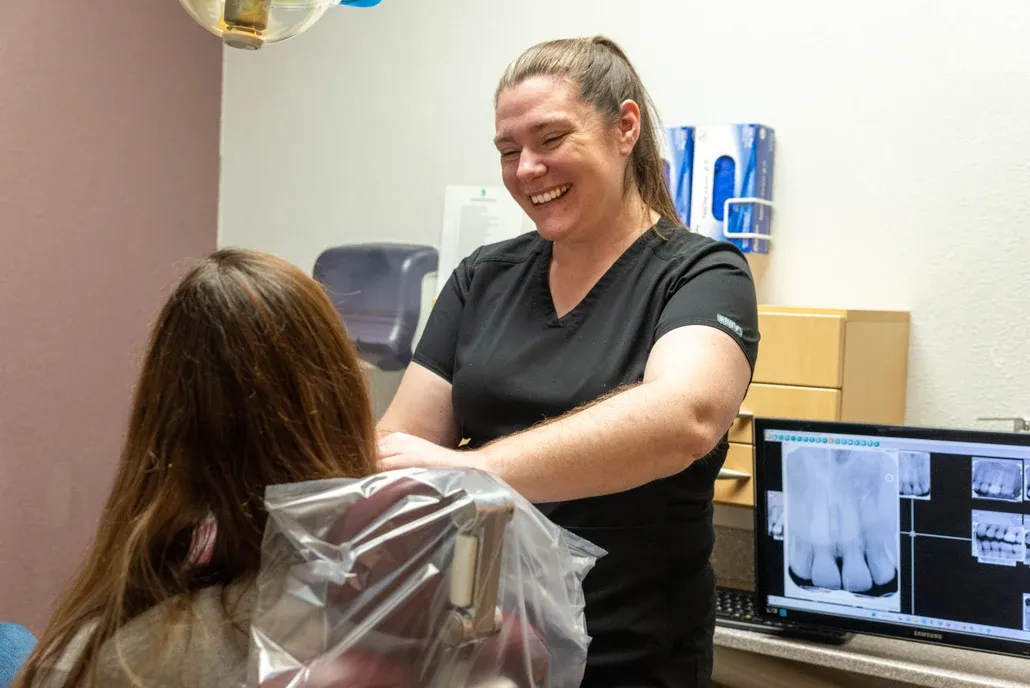
Precise, Painless Placement
Each aspect of your procedure is expertly managed, ensuring you receive comprehensive care tailored to your dental needs. We offer several sedation options to ensure your procedure is comfortable and stress-free.
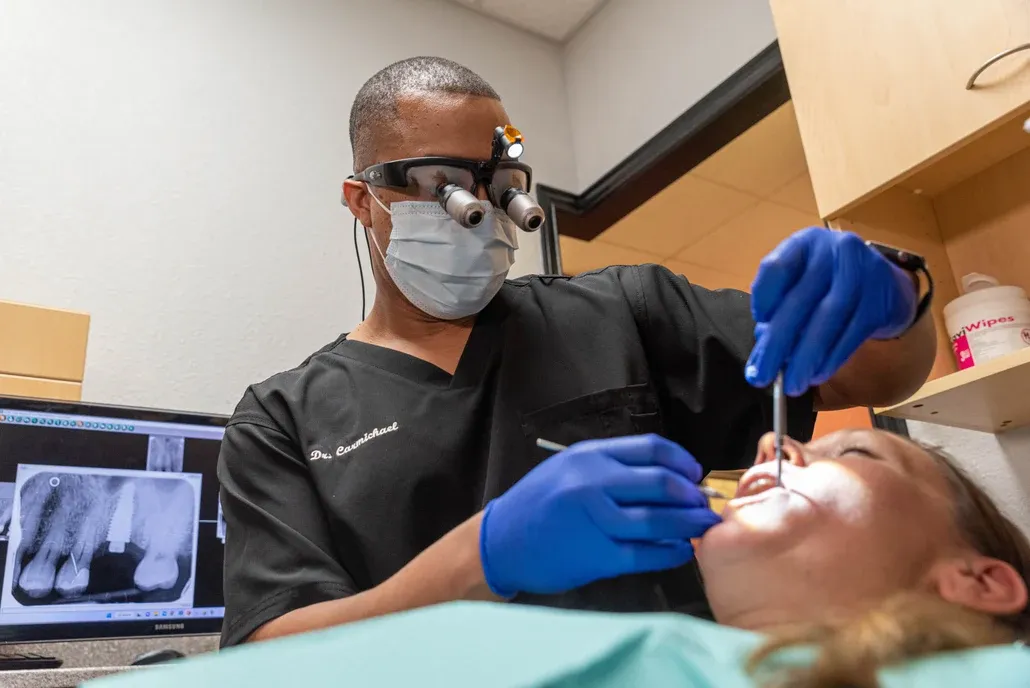
Guided Recovery
The recovery phase is crucial for the success of your treatment, allowing time for the surrounding bone structure to strengthen and adapt to the implant.
Once the healing period is complete, we’ll schedule a follow-up appointment to attach your custom prosthesis, tailored to fit seamlessly with your natural teeth and restore full functionality to your smile.
Our team is dedicated to ensuring your comfort, confidence, and satisfaction throughout your dental implant journey.

Caring For Your Dental Implants
- Maintain excellent oral hygiene by brushing twice a day with a soft-bristled toothbrush and fluoride toothpaste.
- Floss daily, using a floss threader or interdental brushes to clean around the implant and remove plaque buildup.
- Schedule regular dental check-ups and cleanings to monitor the health of your implants and surrounding tissues.
- To prevent damage to the implant or surrounding teeth, avoid chewing on hard objects or using your teeth to open packages.
- Do not smoke, as smoking can increase the risk of implant failure and complications.
Dental Implant Frequently Asked Questions
A good candidate for dental implants typically has sufficient bone density, is in good overall health, has healthy gums, does not smoke, is committed to oral hygiene, has realistic expectations, and has stable jaw growth. Ultimately, a thorough evaluation by a qualified dentist like Dr. Carmichael is needed to determine candidacy.
With proper care and regular dental visits, dental implants can last many years and often for a lifetime.
Yes, dental implants feel and function just like natural teeth. Once healed, most patients do not notice a difference.
The cost of dental implants varies depending on factors like how many teeth need replacement and the type of implant. Watauga Dental Center offers payment and financing options, and a consultation is recommended for a detailed estimate.
Dental implants have a long history of being a safe and successful treatment option. As with any surgery, there are some risks, such as infection, nerve damage, or sinus problems, but these are rare.
No, dental implants do not respond to whitening treatments like natural teeth. However, the porcelain used for implants is stain-resistant.
Once the implant has healed, it functions like a natural tooth and you can usually eat normally. During healing, soft foods, cold foods, and warm soup are typically recommended.
Yes. Dental implants can be a permanent solution for patients who are unhappy with uncomfortable or ill-fitting dentures.
Not necessarily. Some patients may be candidates for an implant-supported bridge or denture instead of one implant per missing tooth.